

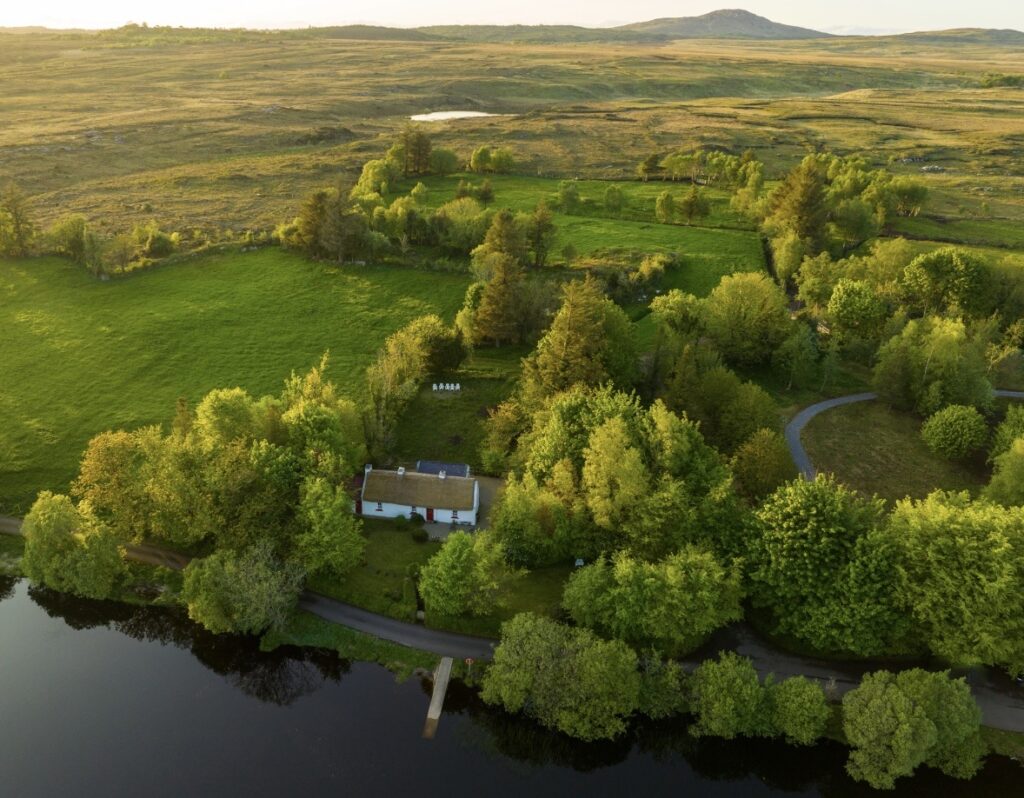
When people around the world think of Ireland, certain images instantly come to mind; the harp, the shamrock, rolling green fields and nestled among them, the humble Irish thatched cottage.
It represents far more than stone walls and a straw roof. It symbolises warmth, family, resilience and the soul of rural Ireland itself. For generations, these cottages were places where stories were shared by the fire, music filled small rooms where neighbours gathered and families weathered both hardship and joy together. They stand as quiet reminders of a simpler life rooted in community, tradition and connection to the land. The sight of a wee whitewashed cottage tucked into the Irish countryside stirs something familiar, even for those who have never lived in one. It speaks to memory, belonging and heritage.
Yes for many in the Irish diaspora, the image of the thatched cottage is a powerful symbol of home, carrying echoes of parents, grandparents and generations gone before. Like the harp and the shamrock, the Irish thatched cottage has become one of the country’s most treasured emblems, not because of grandeur or wealth, but because of the immeasurable value it holds in Ireland’s heart. It reminds us that Ireland’s greatest beauty has always been found not only in its landscapes, but in its people, its stories and the homes that sheltered them through centuries of history.
A Unique Part of Ireland’s Architectural Heritage
Thatched cottages have been part of Irish life for centuries. Traditionally built using local materials such as stone, clay, timber and reeds or straw for roofing, these homes were designed to work in harmony with the natural environment surrounding them.
Each region of Ireland developed its own style of cottage depending on the available materials and local climate. In coastal areas, reeds were often used for roofing, while inland cottages commonly used wheat straw or flax. The thick walls provided insulation against harsh weather and the carefully layered thatch allowed rainwater to run off naturally.
Long before modern construction methods, Irish craftsmen and women created homes that were practical, sustainable and remarkably durable.
Today, surviving thatched cottages are treasured examples of vernacular architecture - buildings created using traditional methods passed down through generations.

At Keenaghan Cottage, we understand the importance of preserving and celebrating these timeless homes. Thatched cottages represent not only Ireland’s architectural past, but also a slower, more meaningful way of life that continues to inspire visitors from around the world.
Hidden away along the peaceful shores of Keenaghan Lough in County Fermanagh, Keenaghan Cottage is much more than simply a beautiful place to stay. It is a lovingly restored piece of Irish history - a celebration of heritage, craftsmanship, sustainability and a gentle reminder of the importance of preserving Ireland's Thatched Cottages - not just for tourism, but for their wealth of traditional knowledge, enduring skills and for the deep sense of belonging they continue to offer. These remarkable buildings carry the stories, values and spirit of the communities who built and lived in them, grounding us in a shared history that still feels warm, human and alive today.
Yes, Irish Thatched Cottages hold a value that goes far beyond their appearance. They are treasured links to Ireland’s past, preserving traditional building methods, local materials and time-honoured skills that have been passed down through generations. They also play a heartfelt role in tourism, offering visitors a genuine sense of warmth, welcome and connection to a place where history, people and landscape feel deeply intertwined.
In doing so, they help keep traditional crafts and skills alive - from thatching and stonemasonry to carpentry and lime work, supporting the artisans who continue to practise these rare and meaningful trades. They also contribute to the rural economy in a way that feels rooted and sustainable, nurturing communities through restoration, hospitality and cultural appreciation.
Most importantly, they create a profound sense of place and belonging - a feeling of home that is uniquely and deeply connected to the land, the people and the stories that have shaped them. In their quiet way, they remind us of what it means to feel grounded, welcomed and part of something lasting. Preserving them is not just about saving buildings, but about keeping alive that sense of warmth, identity and connection for generations yet to come.

Keenaghan Cottage sits within one of the most historically layered landscapes in Ireland: a quiet borderland of small lakes, drumlin fields, ancient ecclesiastical sites, old townlands, stone walls and surviving vernacular buildings. The cottage is not simply an isolated holiday home; it forms part of a much older cultural landscape shaped by monastic settlement, subsistence farming, fishing traditions and rural Irish life extending back many centuries.
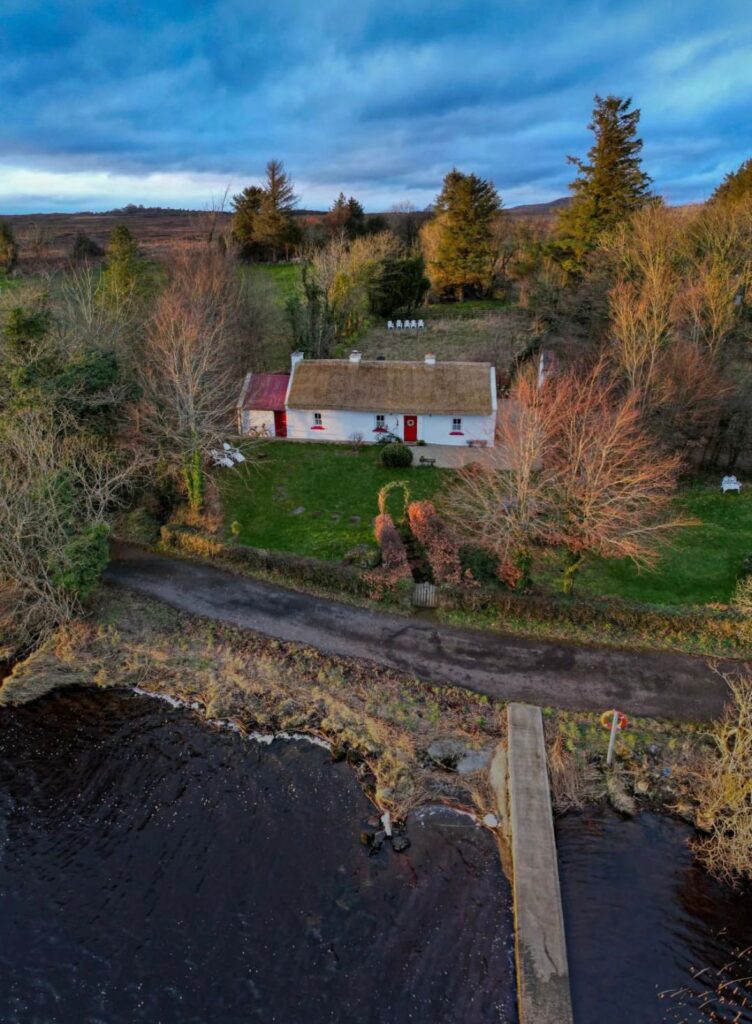
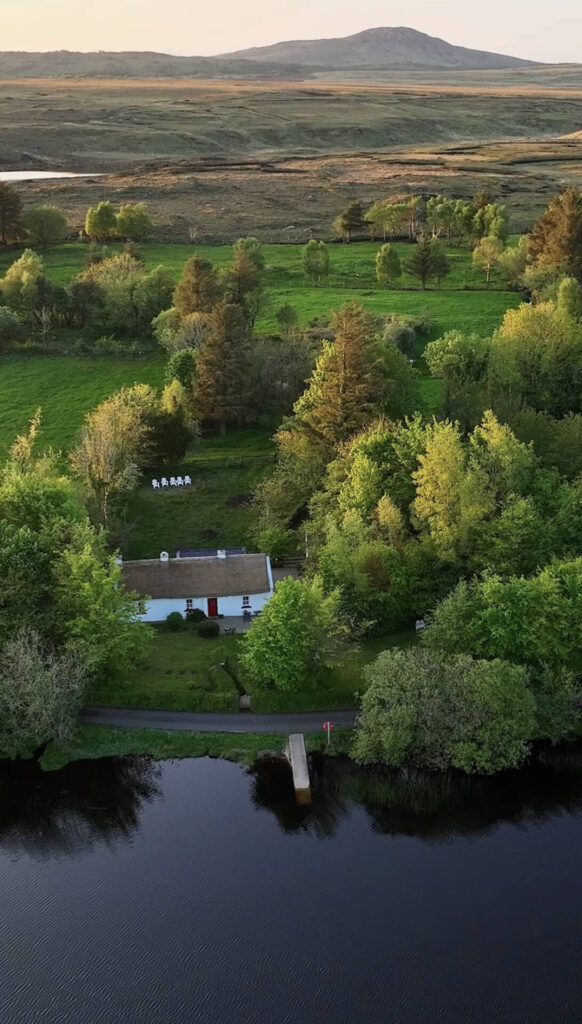
This cottage is an authentic nineteenth-century Irish thatched dwelling overlooking Keenaghan Lough near Belleek in county Fermanagh. Its recent restoration deliberately retained many vernacular features: the half-door, inglenook fireplace, whitewashed walls and traditional proportions - every detail tells a story of Ireland’s past.
This once derelict property has not only been loving restored, but has since been crowned the Island of Ireland's only five-star authentic self-catering thatched Cottage as well as picking up many other awards, including 'Best Self-Catering Accommodation in Northern Ireland' awarded by Tourism Northern Ireland and has even made it into the 'Fab 50 Places to stay in Ireland' by The Independent
Preserving Traditional Craftsmanship
Thankfully, growing numbers of people are recognising these qualities and are working to rescue and restore old buildings like this, creating new homes for themselves or transforming them into distinctive holiday retreats.
Irish vernacular heritage reflects local traditions, skills, craftsmanship, customs and ways of life shaped by the hardworking people who built these structures, and is certainly deserving of admiration and respect. Heritage buildings such as Keenaghan Cottage preserve traditional construction methods and building techniques that have largely been replaced by blocks and cavity walls. Fortunately, many of these historic practices are now being revived and adapted to support contemporary building approaches.
Constructed using locally sourced materials, these buildings remain among the most sustainable and environmentally friendly properties available today, thanks to several thoughtful and important factors:
1. Location, Location, Location

Firstly the location was key. Ireland's vernacular heritage forms an essential part of both rural and urban landscapes, with traditional cottages carefully sited and built in places chosen for practicality, protection, and sustainability. Wherever possible, these homes were positioned with great consideration for shelter from the elements and for supporting family life in a self-sufficient way.
In many cases, they sit in complete harmony with the surrounding landscape, with some even appearing to be carved directly into stone terrain, as can be seen in parts of Fermanagh and Donegal. Rather than relying on modern planning systems or building control, earlier generations relied on deep local knowledge and instinct to determine the best placement for their homes. They understood not only where to build, but also how to orientate a house to capture sunlight and shield it from Ireland’s weather conditions.
As a result, many traditional vernacular properties are south-facing, including Keenaghan Cottage, making the most of natural light and passive warmth.
2. Locally sourced Materials
3. Thatching
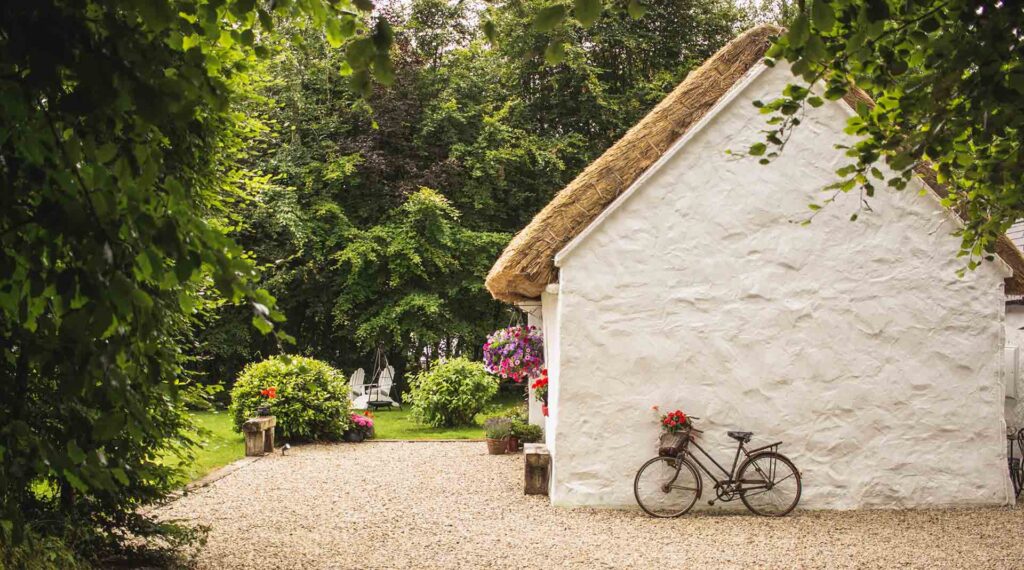
Long Straw
Combed Wheat Reed
Water Reed
Unfortunately, the number of skilled thatchers in Ireland has declined over the years, making preservation even more important.
You can find out more at Thatching Ireland and delighted to say our son Tommy is now also a full-time thatcher! Tommy the Thatcher
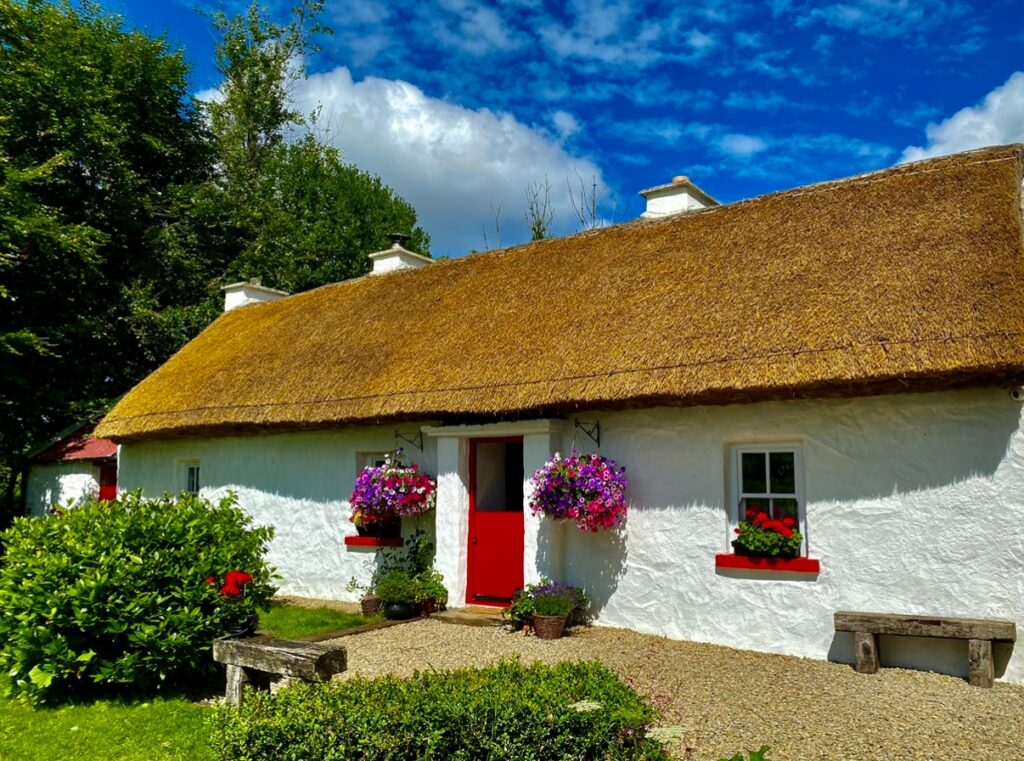
Long before sustainability became a global conversation, Irish thatched cottages embodied environmentally conscious living.
Traditional cottages were built using locally sourced, natural materials with minimal environmental impact. Thatched roofs provide excellent insulation, helping to keep homes warm in winter and cool in summer. Their design encouraged efficient use of resources and reflected a strong connection between people and the surrounding landscape.
Modern homeowners and travellers are increasingly drawn to the authenticity and sustainability that traditional cottages represent.
In many ways, these homes offer valuable lessons about simplicity, craftsmanship and living in balance with nature. In a world where today there is research and a hunt for sustainable construction techniques using modern materials, checking for strength, stability and support, the vernacular structures still stand strong and remain environmentally friendly. As we are ever more mindful of reducing our carbon footprint, we are now realising that our vernacular buildings were actually the 'greenest' and one of the most sustainable forms of housing! (thatched roofs are also a great home for bees in winter!)
5. The Emotional Connection to Irish Heritage
For many people, Irish thatched cottages evoke a powerful sense of nostalgia and identity.
They remind us of family history, rural traditions, storytelling by the fire and generations of Irish life shaped by resilience and community. Whether seen in old photographs, films, paintings, or childhood memories, the image of the thatched cottage holds a special place in Ireland’s cultural imagination.
For visitors travelling to Ireland, staying in or visiting a traditional cottage often becomes one of the most memorable parts of their experience. It offers an opportunity to step away from fast-paced modern life and reconnect with something authentic and timeless.
Preserved thatched cottages also play an important role in supporting tourism and rural economies across Ireland. As more people seek meaningful travel experiences rooted in authenticity and heritage, Irish thatched cottages continue to stand as timeless symbols of Ireland’s past, present, and future.
Travellers from around the world seek genuine Irish experiences, and traditional cottages provide exactly that. They offer charm, character, and a unique atmosphere that cannot be replicated by modern accommodation.
By restoring and maintaining these buildings, local communities can preserve their identity while creating opportunities for sustainable tourism.
Visitors are increasingly looking for experiences that feel personal, historic, and connected to place. Thatched cottages embody all of these qualities.
7. Why Preservation Matters Today
Sadly, the number of traditional Irish thatched cottages has declined significantly over the past number of decades due to changing lifestyles, urban development and the cost of maintenance.
Without ongoing preservation efforts, Ireland risks losing an irreplaceable part of its cultural landscape.
Protecting these cottages is about more than preserving old buildings. It is about safeguarding stories, traditions, craftsmanship and a way of life that shaped generations of Irish families.
Every restored cottage helps ensure that future generations can continue to experience the beauty and heritage of traditional rural Ireland.
(Picture Postcard Setting, Keenaghan Cottage protectively overlooked by Breesy Mountain, Co. Donegal)
8. Final thoughts...
Irish vernacular properties such as Keenaghan Cottage are much more than a Holiday Cottage, they are a time-piece showcasing the resilience and adaptability of our ancestors, and their ingenuity to develop a home that was perfectly suited to the landscape in which surrounded it, including some of the most harshest of terrain. The island of Ireland has seen a huge decline in vernacular buildings, particularly in vernacular homes, from the mid-20th century to the present day; making surviving examples ever more precious. As with all historic buildings, an understanding of the history of the building and the materials used in their construction are vital in ensuring that repair and restoration work is sympathetic and does not damage its character or built fabric.
We hope to inspire owners and interested groups to look at potential new uses for rural vernacular buildings, get practical guidance on repair and maintenance, hear from funders and discover ways to bring new life to forgotten buildings.
At Keenaghan Cottage, we believe these wee cottages are far more than relics of the past - they are living connections to Ireland’s heritage, carrying the stories, traditions, skills and spirit of the people who built them. In a rapidly changing world, they remind us of the value of craftsmanship, community, sustainability and a more regenerative way of living that works in harmony with both nature and place.
Preserving Ireland’s thatched cottages is not only about protecting beautiful buildings; it is about safeguarding that sense of belonging and identity that is deeply rooted in our landscape and culture. Every restored cottage helps to keep traditional skills alive, supports local crafts and rural communities, and encourages regenerative approaches to conservation, restoration and living more sustainably with the environment around us.
Conclusion
For us, the restoration of Keenaghan Cottage has always been about more than saving an old building. It has been about honouring the past, celebrating the people and traditions that shaped it and continuing the story of Ireland’s thatched cottages for generations yet to come.
The following websites are a great guide to further explore :
- Tommy the Thatcher TommyTheThatcher
- Ulster Architectural Heritage www.ulsterarchitecturalheritage.org.uk
- Heritage Houses of Ireland HeritageHousesofIreland
- Céide Fields Céide Fields
If you enjoyed learning about the The Importance of Ireland's Thatched Cottages, you may enjoy our article on 'Unusual Things to do in Fermanagh near Keenaghan Cottage.'
We regularly update our social media here at Keenaghan Holiday Cottage. To keep up to date with all of our news, updates and beautiful photos of the cottage and its surrounding areas, make sure to follow us on Facebook & Instagram.
Discovering the Hidden Gems of Ireland's West coast along the Wild Atlantic Way | Keenaghan Cottage 2026